Tingidae Checklist: Lace Bugs
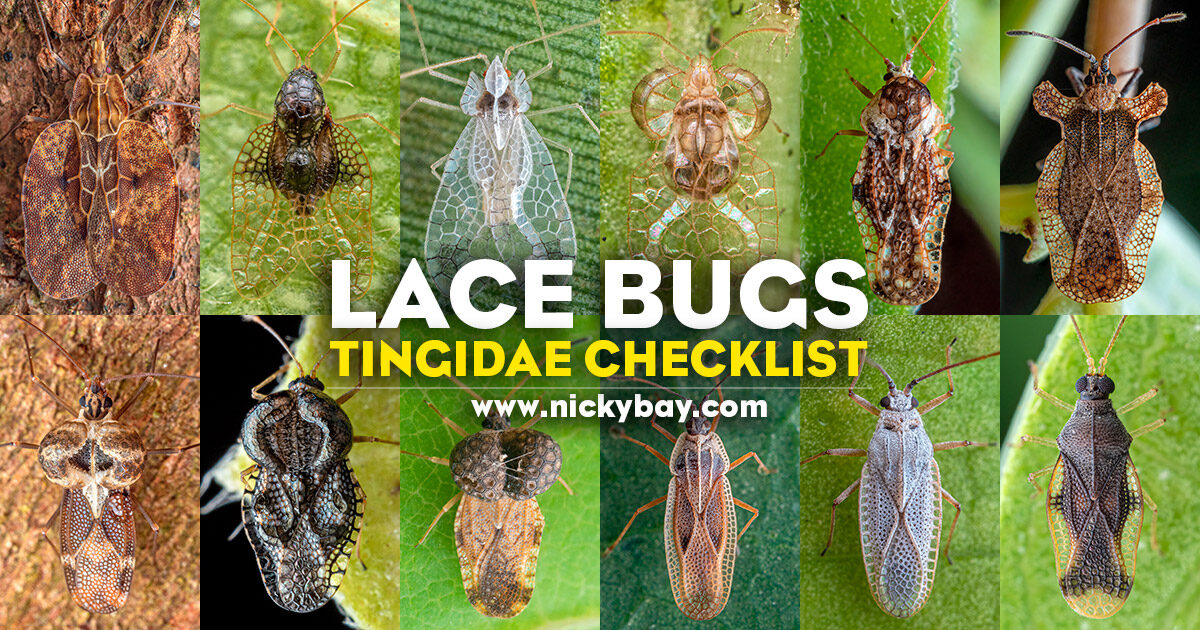
Lace bugs belong to the family Tingidae and are recognised by the lace-like structure on their pronotum and forewings. Lace bugs are usually host-specific and feed on the…
by Nicky BayDocumenting the world’s micro biodiversity
Tag
Lace bugs belong to the family Tingidae and are recognised by the lace-like structure on their pronotum and forewings. Lace bugs are usually host-specific and feed on the…
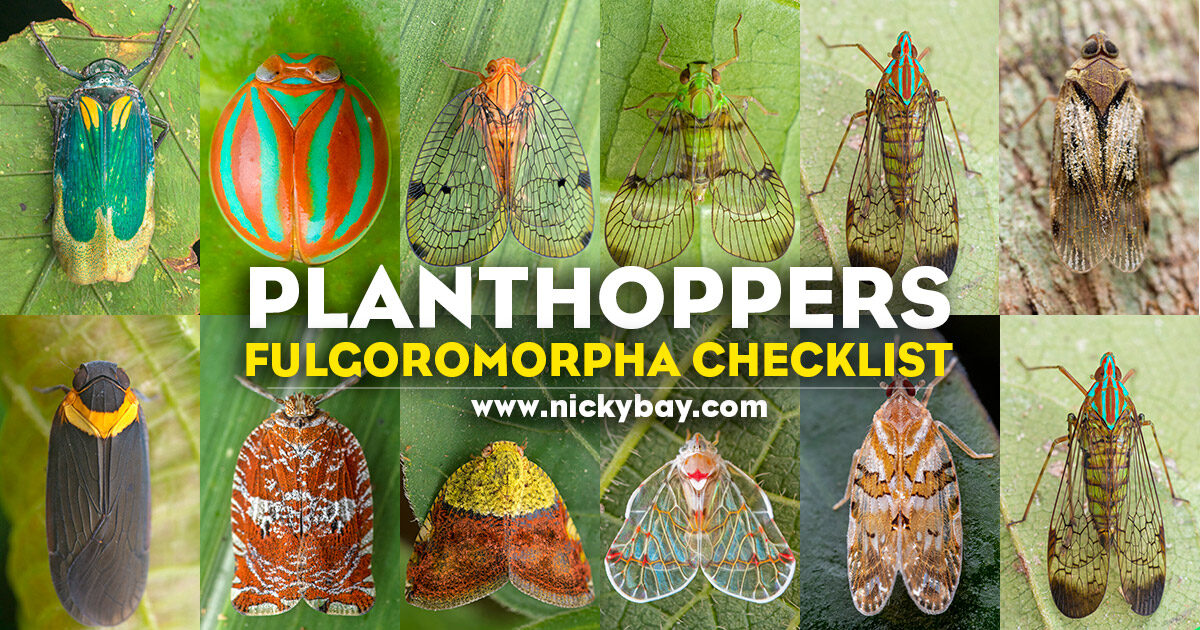
Planthoppers from the infraorder Fulgoromorpha are plant-feeding insects which "hop" in the same fashion as grasshoppers. The nymphs, as well as some females, produce wax from…
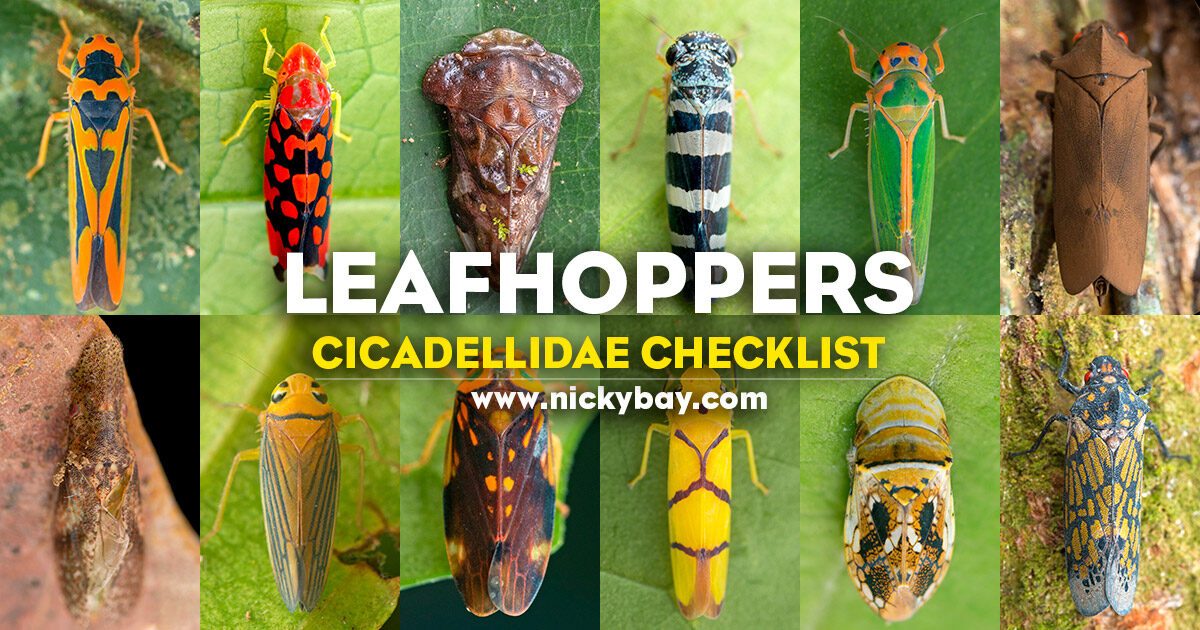
Leafhoppers from the family Cicadellidae are little plant feeders with modified hind legs for jumping. One of the most distinctive traits of this family would be the row of tibial…
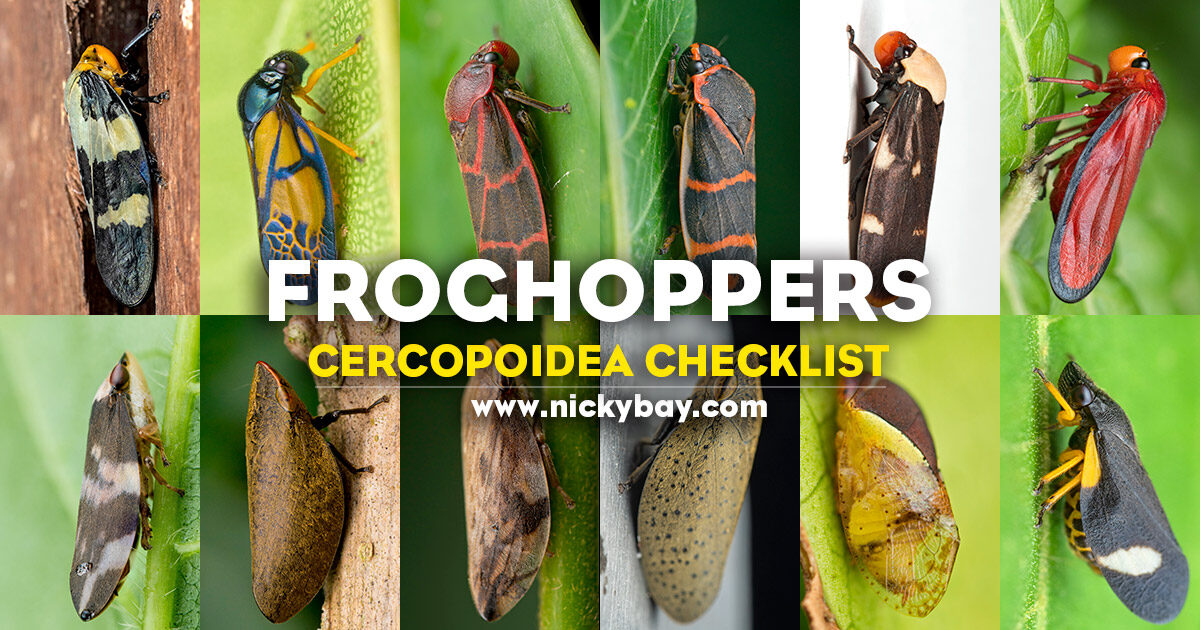
Froghoppers from the superfamily Cercopoidea are also known as spittlebugs. They are best known for encasing themselves with a foam fortress during their nymphal stages…
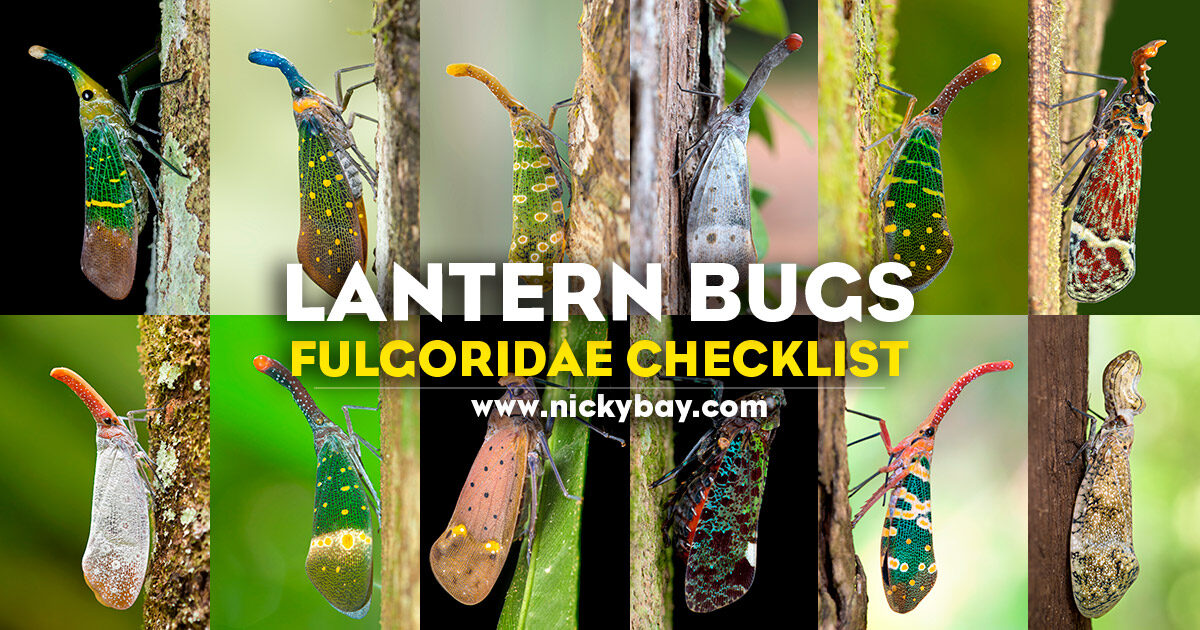
Lantern bugs or lanternflies are some of the most colourful and enigmatic subjects in the realm of macro photography. They belong to the Fulgoridae family, with the most distinct…
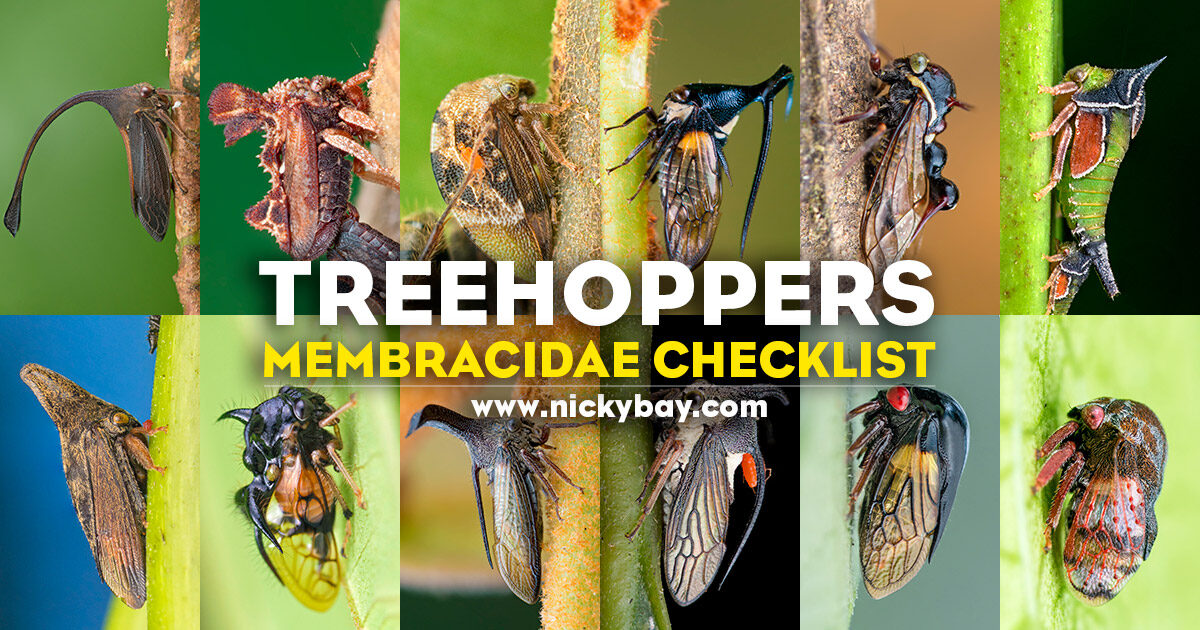
Treehoppers belong to the family Membracidae and their nymphs are sometimes also referred to as thorn bugs. They have an enlarged and often ornate pronotum (like a helmet)…
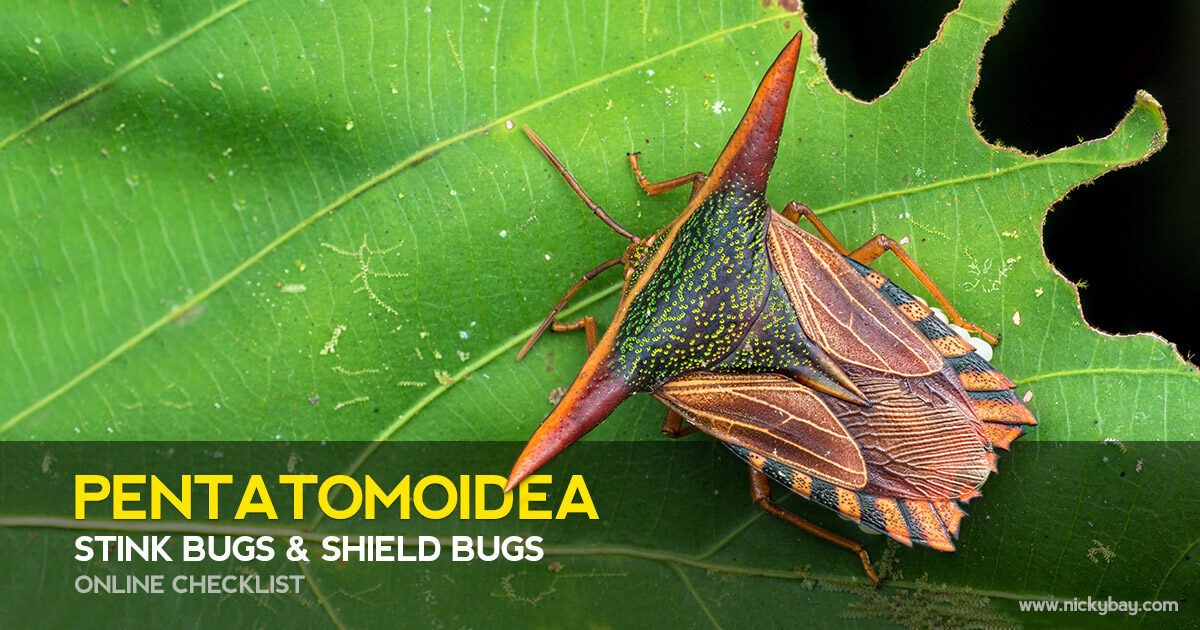
Pentatomoidea is a superfamily comprised of shield bugs and stink bugs. They have a well-developed scutellum, and usually have antennae with five segments. The tarsi usually have…
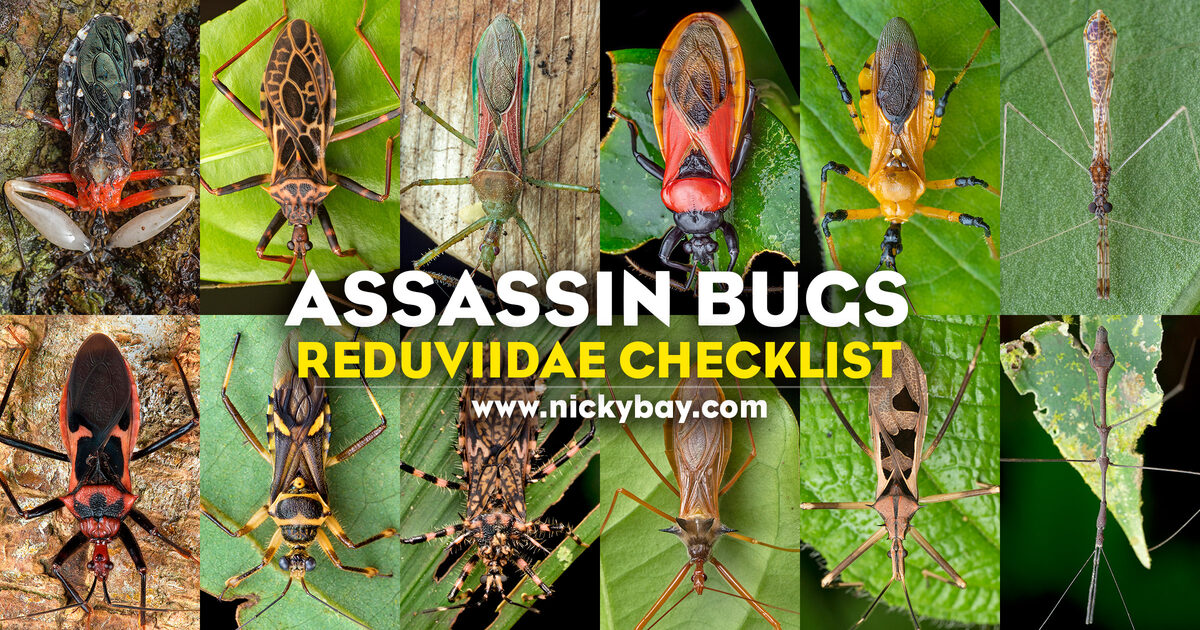
Assassin bugs belong to the Reduviidae family. Almost all are ambush predators. They have a relatively narrow neck, sturdy build, and a formidable curved proboscis which is used…